

Why most health partnerships in Africa fail before they start

I have watched well-funded, well-intentioned partnerships collapse, not because the work was wrong, but because the relationship was never properly designed.
The pattern is remarkably consistent. Two organisations come together around a shared problem. The meetings are energetic. The slide decks are compelling. There is genuine goodwill on both sides. An MOU gets signed. Photos are taken. A press release goes out.
And then, somewhere between the announcement and the actual work, something breaks.
It is usually not dramatic. No one storms out of a meeting. No one accuses anyone of bad faith. What happens is more subtle - the funder needs a report by a deadline that does not match when the work actually produces results. The implementing organisation is being evaluated on indicators that were designed for a different context. A government counterpart who was essential to the original design has moved to a different role. And slowly, the partnership that looked so strong on paper begins to serve the relationship between the two organisations rather than the problem they set out to solve.
I have seen this happen with large international NGOs and small community organisations. I have seen it with government ministries and bilateral funders. I have seen it with private sector partners and public health institutions. The size of the organisations and the amount of money involved almost never changes the pattern. What changes is how long it takes to become visible.
There are three structural mistakes I see made repeatedly, and they are worth naming directly.
The first is speed over alignment. There is enormous pressure, from boards, from donors, from communication teams - to announce partnerships quickly. Speed signals momentum. It demonstrates action. But speed and alignment are almost always in tension. Genuine alignment, the kind that sustains when the context shifts or the incentives diverge, takes time to build. It requires honest conversations about what each party actually needs, what they are willing to compromise on, and what they are not. Those conversations are uncomfortable. They slow things down. And they are almost always skipped in the rush to sign something.
The second mistake is confusing an MOU with a partnership. A memorandum of understanding is a statement of intent. It describes what two organisations hope to do together. It is, at best, the beginning of a relationship, not evidence that one exists. I have seen MOUs treated as deliverables in their own right, as proof that a partnership is in place, as something to report upward and move on from. A signed MOU between two organisations that have not yet navigated a single difficult decision together tells you almost nothing about whether they can actually work together. The work of partnership building happens after the document is signed, not before.

The third mistake is designing for the donor's reporting cycle rather than the system's timeline. This is perhaps the most structurally damaging of the three. Most funding in global health operates on annual cycles. Most system change operates on five to ten year timelines. The mismatch between those two realities is where a significant amount of partnership failure lives. Organisations adapt to the reporting cycle because that is where accountability sits. They demonstrate progress against short-term indicators because that is what they are evaluated on. And the deeper, slower work of building the institutional relationships, the government ownership, and the community trust that makes things last gets deprioritised, not because anyone decided it was unimportant, but because no one is measuring it.
Early in any partnership conversation I am part of, I ask one question that tells me more than any due diligence document - what does failure look like for each party, and are they willing to name it?
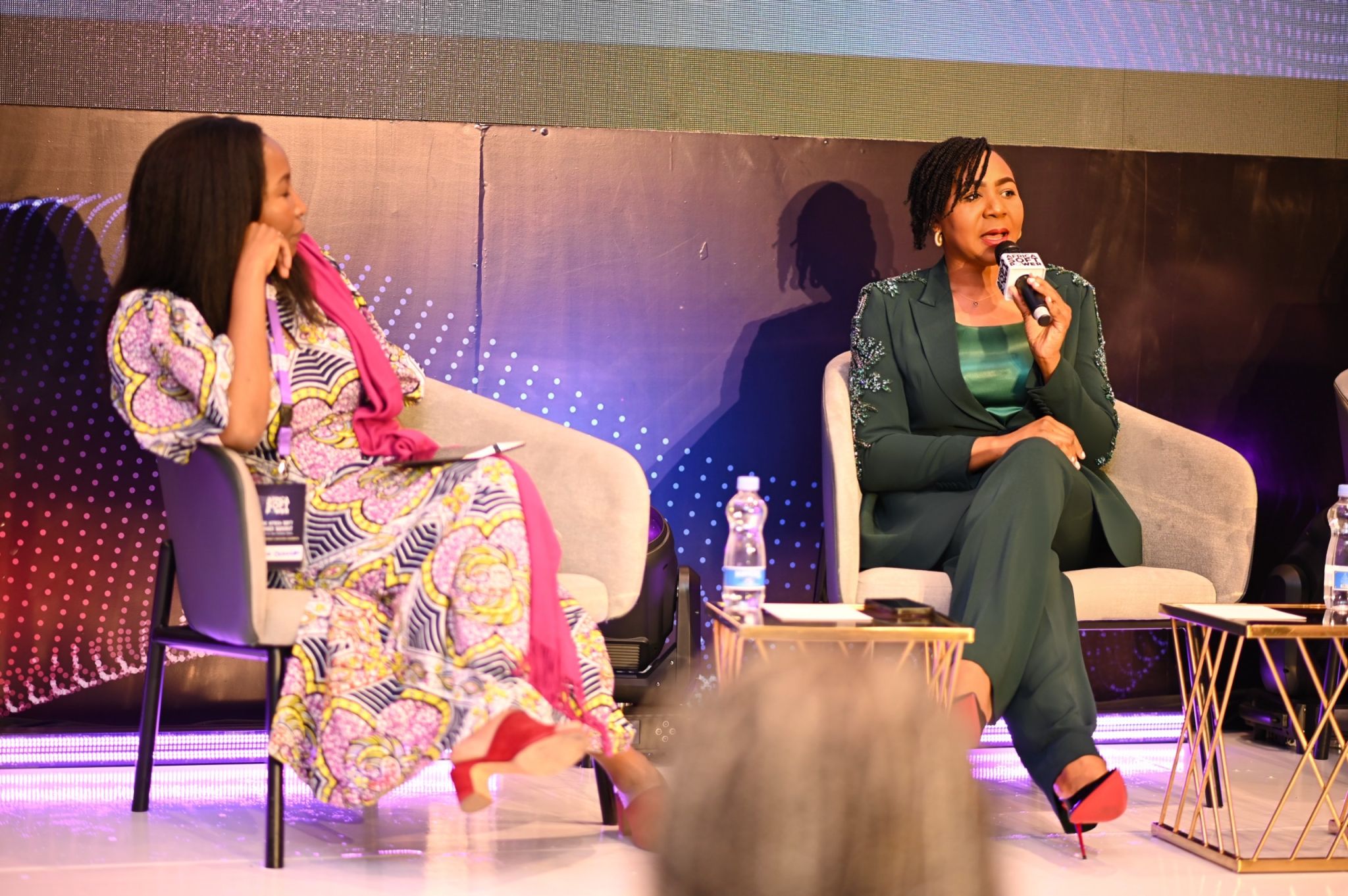
It sounds simple. It is surprisingly rare.
Most partnership conversations are structured around shared goals - what success looks like, what each party brings, what the theory of change is. Very few are structured around shared risks - what each party is afraid of, what their institution cannot afford politically, what would cause them to walk away. When I ask that question and both parties answer it honestly, something shifts in the room. The conversation stops being a negotiation and starts being a design process. That shift is where real partnerships begin.
What good actually looks like is worth describing, because it is less complicated than the failure modes suggest.
The partnerships I have seen endure share a few consistent features. The governance structure was designed before the work began, not as a formality, but as a genuine mechanism for making decisions when the parties disagree. The incentives were mapped honestly, including the institutional pressures each party was operating under. The government or public system that would eventually need to own the work was involved from the beginning, not brought in at the end as a handover exercise. And the timeline was set by the problem, not by the funding cycle, with explicit conversations about what would happen when the initial funding ended.
None of this is complicated. All of it requires the willingness to have honest conversations before the pressure is on, when the relationship is still new enough that difficult questions feel premature.
They are never premature. They are always overdue.
Author bio
Ota Akhigbe works at the intersection of health systems, institutional partnerships, and governance across Africa. She advises boards, funders, and senior leaders on partnerships and systems designed to last.